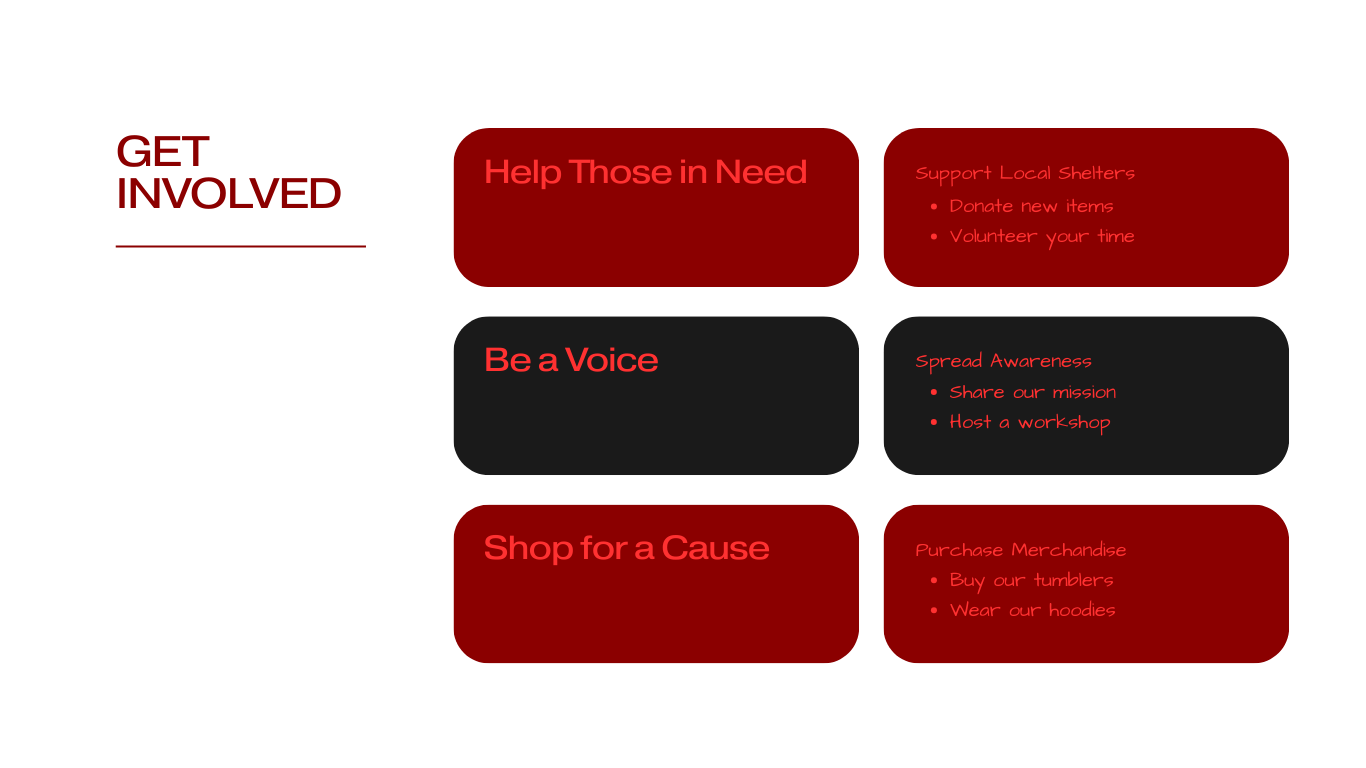
Beyond the story
Looking for help?





Apps


Bright Sky
Bright Sky is a safe, easy to use app and website that provides practical support and information on how to respond to domestic violence. It is for anyone experiencing domestic violence, or for those worried about someone else.
Bright Sky can help you:
- Understand what domestic violence can look like
- Spot the warning signs of domestic violence
- Evaluate the safety of a relationship
- Locate the nearest support services across the United States
- Learn how to help a friend, loved one, or colleague that may be affected


Victims Voice
Giving legal advice to victims of Abuse.
VictimsVoice is built for legal admissibility so users can document information that holds up in court, investigators can collect the relevant evidence, and the prosecution can build a stronger case. It’s built to meet HIPAA, VAWA, VOCA, and FVPSA regulations, ensuring the most strict privacy and security standards are upheld.

MyPlan
myPlan provides anonymous questions about you and the relationship, and your answers will customize myPlan to your situation.
🌿 The Stages of Healing After an Abusive Relationship
Healing isn't a straight line...it's a journey.
Every survivor's path is unique. Some stages may overlap, repeat, or happen in a different order. There is no "right" timeline for healing. Wherever you are today, know that every step forward matters.
This one's personal
🌑 Stage 1: Survival
"I'm just trying to make it through today."
This is where many survivors begin.
You're focused on safety, getting through each day, and protecting yourself and your family.
You may feel:
- Overwhelmed
- Numb
- Terrified
- Confused
- Exhausted
- Hypervigilant
- Unable to think clearly
Your goals:
- Find safety
- Meet basic needs
- Reach out for support
- Take one day at a time
Remember: Surviving is not weakness. It's courage in action.
🌅 Stage 2: Safety
"I can finally breathe."
You've created some distance from the abuse, but your nervous system may still feel like danger is everywhere.
You may experience:
- Trouble sleeping
- Anxiety
- Panic attacks
- Flashbacks
- Difficulty trusting others
- Feeling guilty for leaving
Your goals:
- Establish routines
- Build healthy boundaries
- Create emotional and physical safety
- Begin resting
Healing starts when your body begins believing you're safe.
🌱 Stage 3: Understanding
"None of it was my fault."
This is the stage of learning.
You begin recognizing abusive patterns and understanding how trauma affected you.
You begin learning about:
- Gaslighting
- Trauma responses
- Narcissistic abuse
- Boundaries
- Red flags
- Healthy relationships
Your goals:
- Gain knowledge
- Release self-blame
- Understand your experiences
- Rebuild self-trust
Knowledge replaces confusion with clarity.
🌸 Stage 4: Grieving
"I'm mourning the life I thought I'd have."
Healing often includes grief.
Not just for the relationship...
But for the dreams, hopes, and future you imagined.
You may grieve:
- Lost time
- Lost confidence
- Financial security
- Friendships
- Family relationships
- The person you hoped they would become
Your goals:
- Allow yourself to feel
- Practice self-compassion
- Accept that grief is part of healing
Grief is love searching for a place to go.
🌼 Stage 5: Rediscovery
"Who am I without fear?"
You begin reconnecting with yourself.
You remember what makes you laugh.
What brings you peace.
What makes you feel alive.
You may discover:
- New hobbies
- New friendships
- Your voice
- Your confidence
- Your passions
- Your dreams
Your goals:
- Explore
- Grow
- Reconnect with yourself
- Practice joy
You are becoming someone new...
Someone stronger.
🌻 Stage 6: Healing
"I'm learning to love myself."
You begin replacing survival habits with healthy ones.
You learn that your worth isn't determined by someone else's treatment of you.
You begin:
- Setting healthy boundaries
- Saying no without guilt
- Trusting your intuition
- Caring for your mind and body
- Seeking healthy relationships
Your goals:
- Continue growing
- Build confidence
- Practice self-love
- Celebrate progress
Healing doesn't erase your scars.
It teaches you they don't define you.
🦋 Stage 7: Thriving
"I'm living again."
One day...
You'll notice something amazing.
You're laughing more.
Sleeping better.
Smiling without forcing it.
Planning for the future.
Dreaming again.
You now:
- Trust yourself
- Feel hopeful
- Live with purpose
- Find peace
- Celebrate life
Thriving doesn't mean life is perfect.
It means you're no longer living in survival mode.
🔥 Stage 8: Rising
"My story now gives someone else hope."
Many survivors eventually discover something beautiful.
Their pain becomes purpose.
You begin encouraging others.
Sharing your story.
Supporting women who are just beginning their journey.
Not because you have all the answers...
But because you've walked the road before them.
This stage looks like:
- Mentoring
- Volunteering
- Advocacy
- Speaking your truth
- Building community
- Creating hope
This is where survivors become leaders.
This is where healing becomes legacy.
Healing Isn't Linear
Some days you'll feel like you're thriving.
The next day, an unexpected memory, anniversary, or trigger may bring you back to grief or fear.
That doesn't mean you've failed.
Healing isn't measured by never struggling again.
Healing is measured by how gently you return to yourself.
Give yourself grace.
Celebrate every small victory.
And remember that every step, no matter how small, is still progress.
A Gentle Reminder
You don't have to rush your healing.
You don't have to have it all figured out.
You don't have to be "over it."
Wherever you are on your journey...
You belong here.
Need Help Now?
If you are in immediate danger in the United States, call 911.
The National Domestic Violence Hotline provides free, confidential support 24 hours a day:
Call: 1-800-799-SAFE (7233)
Text: START to 88788
Chat: Available through The Hotline’s website.
Internet activity can be monitored. When possible, use a safer device and clear browsing history carefully.
🖤 The Divine Chaos Promise
When you feel broken...
We’ll remind you of your strength.
When you feel alone...
We’ll remind you that you belong.
When you forget your worth...
We’ll remind you who you are.
Because healing isn’t meant to happen in isolation.
Here, survivors become sisters.
Hope becomes strength.
And every new day is another chance to rise.
Welcome to Divine Chaos.
Together, we #RISEUnbreakable


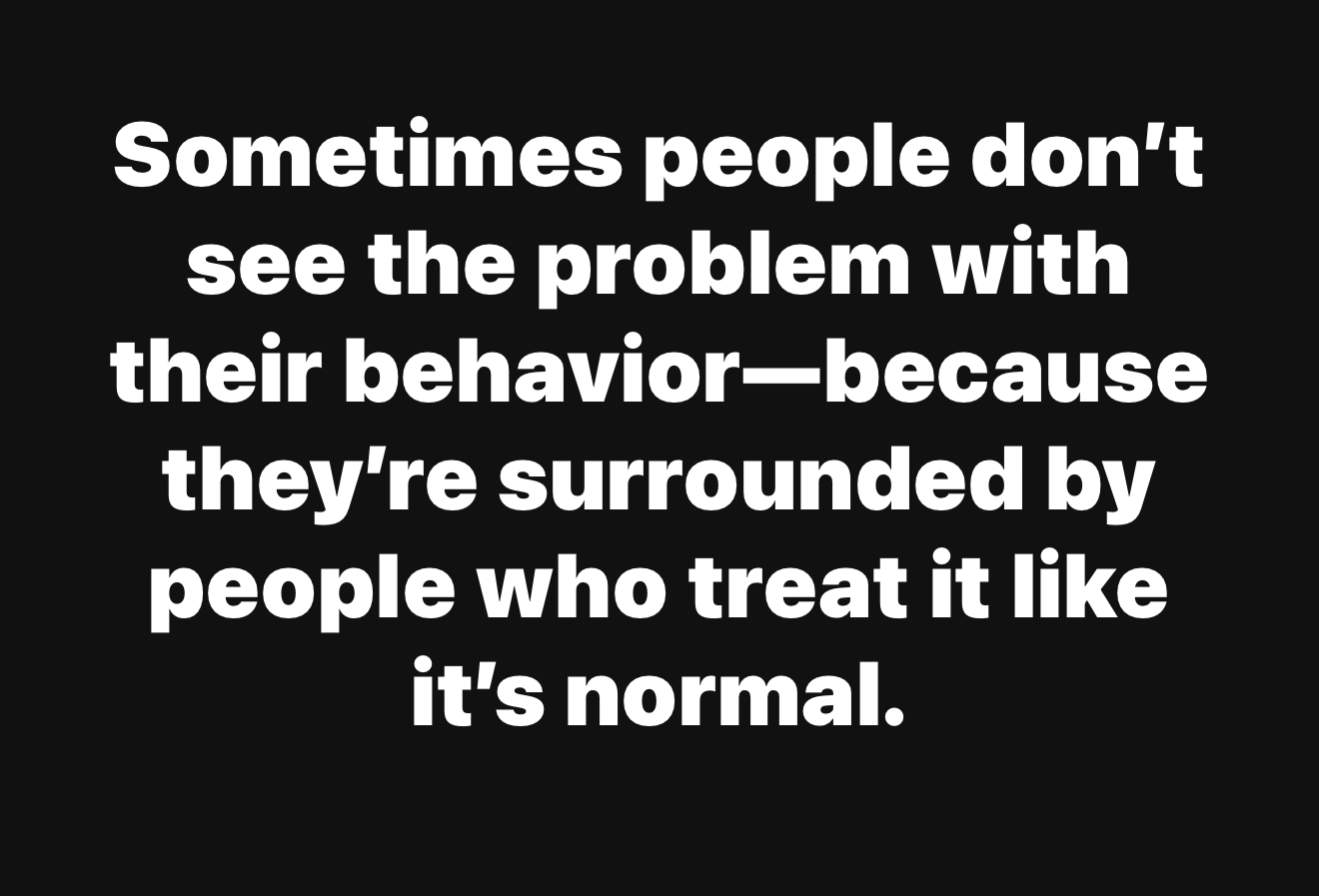
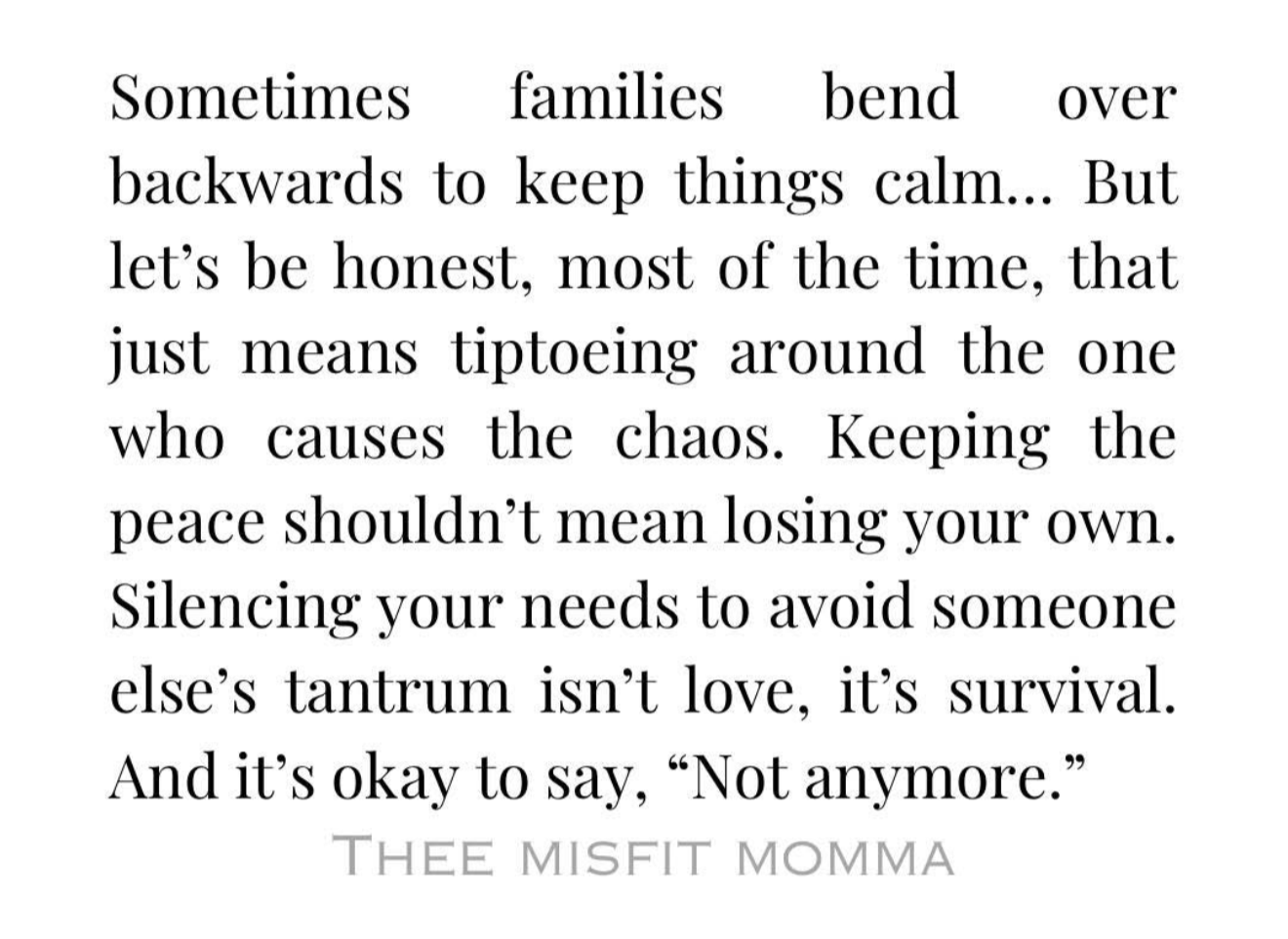
What do you meme it was abuse?!?!
Sorry, I had to







Understanding the Connection Between ADHD, Perimenopause & Fibromyalgia
Why do these conditions seem connected?
Many women are surprised to learn that symptoms of ADHD, perimenopause, and fibromyalgia can overlap, making it difficult to know what's causing what.
While one condition doesn't necessarily cause another, they can influence each other in ways that affect daily life. For many women, especially those who have experienced long-term stress or trauma, these conditions can create a cycle of physical, emotional, and cognitive challenges.
Understanding these connections can help you make sense of your symptoms and advocate for the care you deserve.
ADHD and Perimenopause
For many women, ADHD isn't diagnosed until adulthood, and some first notice significant changes during perimenopause.
As estrogen levels begin to fluctuate, the brain's ability to regulate important neurotransmitters like dopamine and norepinephrine can change. These chemicals play a key role in attention, motivation, memory, and emotional regulation.
Women with ADHD may notice:
- Increased brain fog
- Difficulty concentrating
- Forgetfulness
- Trouble organizing daily tasks
- Feeling overwhelmed more easily
- Increased anxiety or emotional sensitivity
- Greater fatigue
Some women describe feeling like their ADHD symptoms suddenly became much more noticeable during their 40s and 50s.
Fibromyalgia and Hormonal Changes
Fibromyalgia is a chronic pain condition that affects how the brain and nervous system process pain.
Many women report that symptoms become worse during perimenopause or menopause.
Common symptoms include:
- Widespread muscle pain
- Joint stiffness
- Extreme fatigue
- Sleep disturbances
- Brain fog ("fibro fog")
- Headaches
- Increased sensitivity to touch, sound, or temperature
Although researchers are still studying the relationship, changing hormone levels may influence pain sensitivity, sleep quality, and inflammation, all of which can affect fibromyalgia symptoms.
The Overlap
Many symptoms appear in all three conditions.
Shared Symptoms
- Brain fog
- Difficulty concentrating
- Memory problems
- Fatigue
- Sleep disturbances
- Anxiety
- Depression
- Sensory sensitivity
- Feeling overwhelmed
- Mood changes
Because of this overlap, women are sometimes misdiagnosed or told that "it's just stress."
Your symptoms are real, and you deserve to be heard.
The Impact of Chronic Stress and Trauma
For many survivors of domestic abuse, the body has spent years living in survival mode.
Chronic stress doesn't automatically cause ADHD, fibromyalgia, or perimenopause, but it can intensify symptoms, affect sleep, increase pain sensitivity, and make emotional regulation more difficult.
Healing isn't only emotional.
It's physical, too.
Giving yourself permission to rest, seek support, and care for your body is an important part of recovery.
You're Not "Lazy" or "Broken"
If you've been struggling with focus, exhaustion, pain, or feeling unlike yourself, please know this:
You're not imagining it.
You're not failing.
You're not weak.
There may be real biological and hormonal factors contributing to what you're experiencing.
Talking with a healthcare professional who understands women's health, ADHD, chronic pain, or menopause can help you find answers and develop a treatment plan that works for you.
Hope Is Possible
While there isn't a one-size-fits-all solution, many women find significant relief through a combination of:
- Medical care and appropriate treatment
- Counseling or trauma-informed therapy
- Regular movement that's appropriate for their body
- Quality sleep habits
- Stress management techniques
- Balanced nutrition
- Community support
- Self-compassion
Healing isn't about returning to who you were before.
It's about learning to care for the person you are today.
According to Dr. Helen Wall
Neurodivergence (ADHD, autism, etc.) can be affected by hormonal fluctuations due to the interaction between hormones and the brain's chemical messengers.
1. Hormonal Sensitivity and the Brain: Oestrogen and progesterone levels fluctuate throughout the menstrual cycle, during pregnancy, and during menopause. These hormones influence neurotransmitter systems/ chemical messengers like serotonin, dopamine, and GABA, which regulate mood, focus, and energy. Neurodivergence (e.g., ADHD, autism, dyspraxia) often involves atypical neurotransmitter activity, making fluctuations more noticeable.
Oestrogen’s Role: High estrogen levels (e.g., before ovulation) can enhance focus and mood, while low levels (e.g., premenstrual phase) may worsen executive dysfunction, emotional regulation, and sensory sensitivities.
2. Premenstrual Syndrome (PMS) and PMDD: For some women, premenstrual syndrome (PMS) or its more severe form, premenstrual dysphoric disorder (PMDD), can amplify neurodivergent traits. This happens due to the drop in oestrogen and serotonin levels, leading to heightened emotional sensitivity, irritability, or difficulty concentrating.
3. Cortisol and Stress: Hormonal shifts can increase cortisol (the stress hormone) levels, particularly during the luteal phase of the menstrual cycle. For neurodivergent individuals, stress responses may already be heightened, so this can exacerbate traits like anxiety, sensory overload, or difficulty managing change.
4. Menopause: During menopause, declining oestrogen levels and increased hormonal instability can worsen cognitive challenges, emotional regulation, and sensory issues, particularly exacerbating neurodivergence.
The diagnostic criteria and clinical view of things like ADHD are through a male gaze. So many women hit perimenopause undiagnosed and totally unravel.


🖤 Remember...
Your body has carried you through more than anyone can see.
Be patient with it.
Be kind to it.
And most importantly...
Be kind to yourself.
Medical Disclaimer
The information provided on Divine Chaos is for educational purposes only and should not replace professional medical advice, diagnosis, or treatment. Always consult your healthcare provider regarding any medical concerns or before making changes to your treatment plan.